Abstract
The rapid advancement of Artificial Intelligence (AI) is fundamentally transforming industrial structures and competency requirements within the technical workforce. In this context, students in Engineering and Technology programs must not only master traditional disciplinary knowledge but also acquire core technological competencies to adapt to increasingly digitalized and automated working environments.
This paper analyzes the key skill sets that Engineering and Technology students need to develop in the AI era, while clarifying the roles of both learners and educational institutions in fostering sustainable professional competencies.
Keywords: technological skills, engineering students, artificial intelligence, higher education, digital transformation.
1. Introduction
The rapid evolution of Artificial Intelligence is generating profound transformations across nearly all engineering and technological domains—from smart manufacturing and telecommunications to cybersecurity, systems management, and digital services. AI is no longer an experimental technology; it has become a core component of many modern technical systems.
This context creates new competency requirements for the technical workforce, particularly for students currently enrolled in Engineering and Technology programs.
In practice, beyond traditional disciplinary knowledge, Engineering and Technology students must be equipped with a foundational system of technological competencies to adapt to increasingly digitalized, automated, and data-driven work environments. The lack of these competencies may widen the gap between university training and the practical demands of the labor market in the AI era.
In response to these challenges, this paper focuses on analyzing the core technological skill groups that Engineering and Technology students should prepare for in the age of Artificial Intelligence. By doing so, it aims to provide an academic reference framework to support both students and educational institutions in orienting comprehensive and sustainable technological competency development.
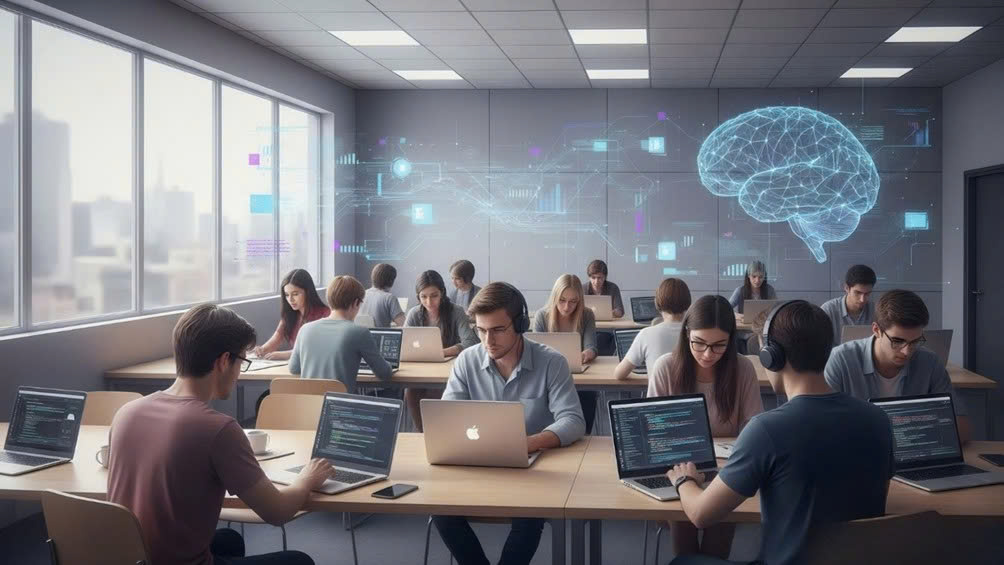
Figure 1: Engineering and Technology Students in an AI-Integrated Learning Environment with Modern Digital Systems
2. The Impact of Artificial Intelligence on Competency Requirements for Engineering Students
AI is accelerating large-scale automation and digitalization, leading to the replacement or restructuring of many traditional technical roles. At the same time, new positions increasingly require systems thinking, the ability to work with data, technological integration skills, and decision-making based on intelligent analytics.
This reality indicates that Engineering and Technology students cannot merely “know how to use tools.” Instead, they must understand the underlying technological principles, demonstrate adaptability, and commit to lifelong learning. The gap between university training and real-world labor market demands will continue to widen if technological competencies are not emphasized early in higher education.
3. Core Technological Skill Groups Students Need to Develop
As Artificial Intelligence becomes deeply integrated into technical and technological systems, Engineering and Technology students must be equipped with a foundational set of core competencies. These competencies enable learners not only to adapt to current technologies but also to sustain long-term professional growth in the future. The following skill groups are considered essential in the AI era.
3.1. Digital Mindset and Algorithmic Thinking
Digital mindset and algorithmic thinking form the foundation for approaching, analyzing, and solving technical problems in a logical and systematic manner. These competencies allow students to translate real-world challenges into structured processing models, thereby developing effective and optimized technical solutions.
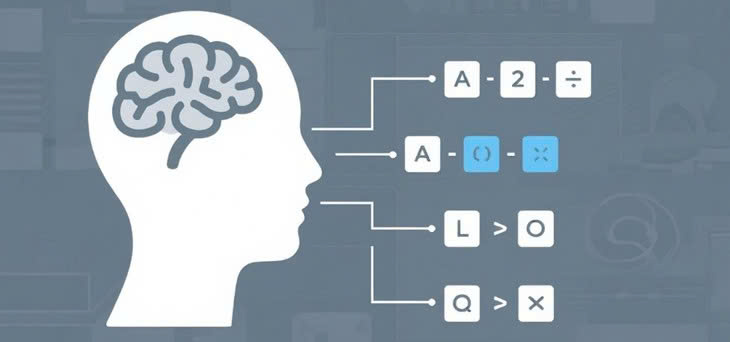
Figure 2: Digital and Algorithmic Thinking – The Foundation Enabling Students to Analyze, Model, and Solve Engineering Problems in the AI Era
For Engineering and Technology students, algorithmic thinking is not limited to programming applications; it also supports system design, process optimization, and data analysis. This competency is foundational, cutting across multiple technological domains, and plays a central role in engaging with artificial intelligence systems.
3.2. Competency in Working with Data and Intelligent Systems
Data is the core element of modern artificial intelligence systems. Students need to develop fundamental knowledge and skills in data collection, processing, analysis, and visualization, while also understanding the operating principles of machine learning models and intelligent systems.
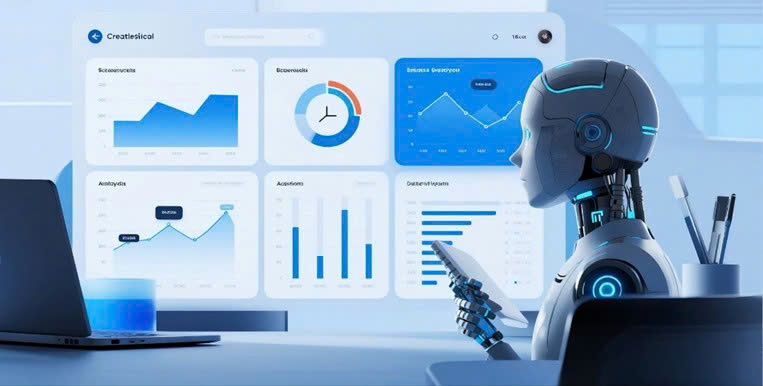
Figure 3: Data and Intelligent Systems Play a Central Role in Artificial Intelligence and Modern Technological Applications
Mastering data-related competencies enables students not only to use existing AI tools but also to understand the underlying technological principles, thereby selecting and implementing technical solutions that align with real-world requirements. This is a critical skill for adapting to increasingly data-driven and automated work environments.
3.3. Information Security and Cybersecurity Skills

Figure 4: Information Security and Data Protection Are Essential Requirements in the Design and Operation of Digital Technology Systems
The rapid expansion of digital and intelligent systems has led to increased cybersecurity risks and data protection challenges. Therefore, Engineering and Technology students must acquire foundational knowledge in information security, including data protection, access control, and the identification of potential cyber threats within digital environments.
Information security skills are not only technical requirements but also reflect the professional responsibility of technology practitioners. Understanding and adhering to security principles enable students to contribute to the development of safe, reliable technical systems that comply with legal and societal standards.
3.4. Technology Integration and Interdisciplinary Collaboration Skills
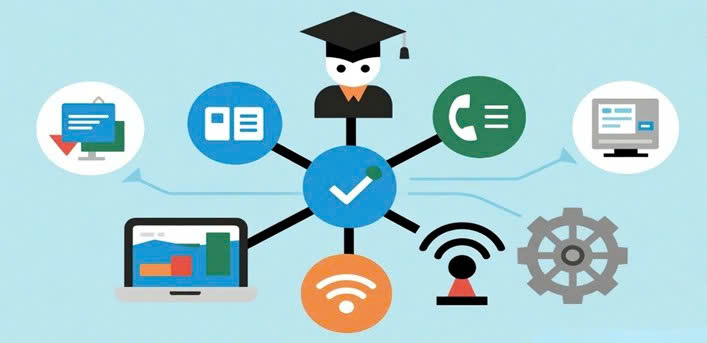
Figure 5: Technology Integration and Interdisciplinary Collaboration – Hallmarks of Technical Systems in the AI Era
In practice, artificial intelligence applications are inherently interdisciplinary, integrating information technology, electrical and electronic engineering, telecommunications, mechanical engineering, and other related fields. Therefore, students must develop the ability to integrate diverse technological components and collaborate effectively within multidisciplinary environments.
This competency enables learners to understand the interrelationships among technical components within complex systems, while enhancing professional communication and teamwork skills. It is essential for participating in large-scale engineering projects in an increasingly complex technological landscape.
3.5. Lifelong Learning and Technological Adaptability
A defining characteristic of the AI era is the rapid pace of technological innovation. Knowledge and skills acquired during university education may quickly become outdated if learners do not maintain continuous self-directed learning and regular updating of competencies.
Therefore, Engineering and Technology students must cultivate lifelong learning habits, proactively explore emerging technologies, and remain adaptable to evolving professional environments. Lifelong learning and technological adaptability are decisive factors for sustainable long-term career development after graduation.

Figure 6: Lifelong Learning and Technological Adaptability Enable Students to Sustain Long-Term Career Development in a Rapidly Evolving Technological Environment
3.6. Critical Thinking, Ethics, and Professional Responsibility in the AI Environment
Beyond technical competencies, critical thinking and professional ethics are indispensable skill sets for Engineering and Technology students in the age of Artificial Intelligence. As AI systems become increasingly involved in decision-making processes—directly affecting individuals and society—technology professionals must demonstrate a high level of responsibility in system design and implementation.
Critical thinking enables students to evaluate the reliability, limitations, and potential biases of AI systems, while ethical awareness ensures that technological solutions are developed and deployed in alignment with legal standards, societal values, and human well-being.
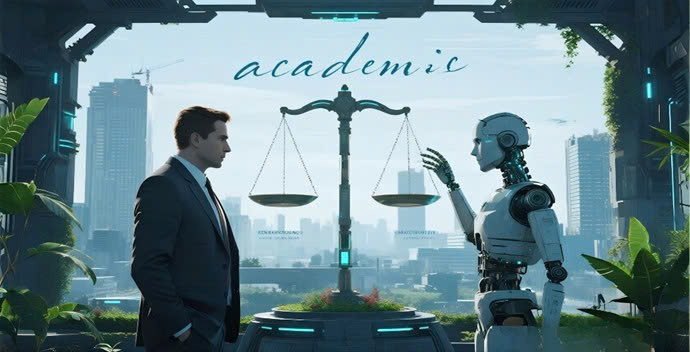
Figure 7: Critical Thinking and Professional Ethical Responsibility in the Development and Application of Artificial Intelligence
Students should be equipped with awareness of issues such as algorithmic transparency, data bias, privacy, and personal data protection. Critical thinking enables learners to approach technology not passively, but analytically—assessing risks and considering the broader societal implications of technical solutions. This forms the foundation for developing responsible engineers and technology graduates who contribute to human-centered and sustainable technological advancement.
4. Opportunities and Challenges for Engineering and Technology Students
The development of AI creates numerous new career opportunities while simultaneously raising expectations for the quality of the technical workforce. Students who are well equipped with core technological competencies will have a clear advantage in entering the labor market and advancing their careers.
However, challenges include increasing academic pressure, expanding skill requirements, and intensifying competition. Without clear direction, students may engage in fragmented learning, adopt technology passively, and lack depth in professional expertise.
5. The Role of Students and Educational Institutions
5.1. Student Responsibilities
Engineering and Technology students must take proactive responsibility in developing their skills, exploring emerging technologies, and participating in academic, research, and practical activities. Such proactiveness is essential for gradually building comprehensive technological competencies and adapting to the demands of the AI era.
5.2. The Guiding Role of Educational Institutions
Educational institutions play a pivotal role in designing flexible curricula, updating technological trends, and strengthening the connection between theory and practice. Integrating AI, data science, cybersecurity, and digital skills into training programs helps narrow the gap between education and societal needs, thereby enhancing the quality of the technical workforce.
6. Conclusion
Artificial Intelligence is reshaping competency requirements for the technical workforce in the context of digital transformation. Equipping Engineering and Technology students with core technological skills not only enables them to adapt to technological change but also provides a foundation for sustainable career development.
This paper contributes an academic reference framework outlining essential skill groups, thereby supporting both students and educational institutions in orienting training strategies and technical human resource development in the AI era.
References
[1] S. Russell and P. Norvig, Artificial Intelligence: A Modern Approach, 4th ed. Pearson Education, 2021.
[2] C. M. Bishop, Pattern Recognition and Machine Learning. Springer, 2006.
[3] UNESCO, AI and Education: Guidance for Policy-makers. UNESCO Publishing, 2021.
[4] World Economic Forum, The Future of Jobs Report 2023.
[5] OECD, Artificial Intelligence in Society. OECD Publishing, 2021.
[6] European Commission, White Paper on Artificial Intelligence: A European Approach to Excellence and Trust, 2020.
[7] Vietnam Ministry of Education and Training, Education Development Strategy to 2030, Vision to 2045, 2022.