1. Global AI Landscape: From Narrow AI to the Era of Superintelligence
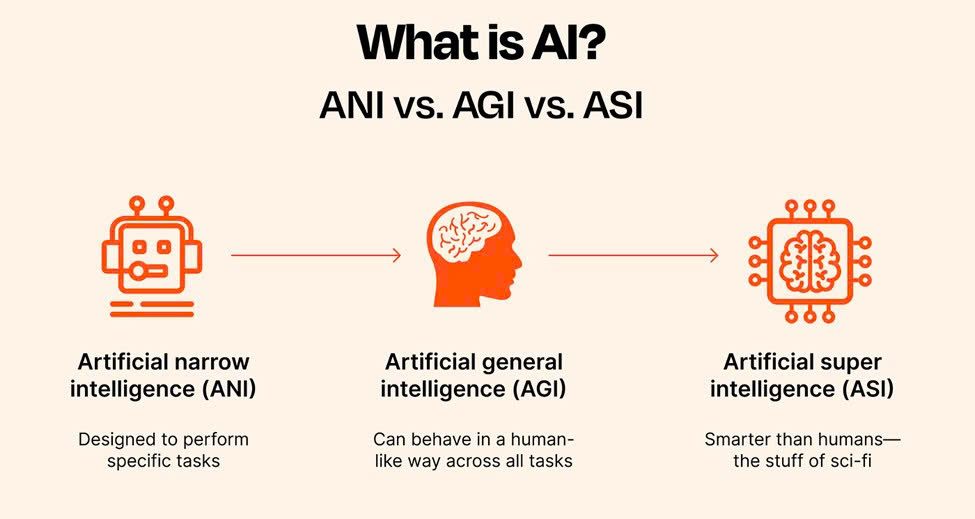

Artificial Intelligence (AI) worldwide remains predominantly at the stage of Artificial Narrow Intelligence (ANI)—that is, specialized AI systems designed to perform specific tasks such as natural language processing, image recognition, data forecasting, and operational optimization.
The AI development trajectory is commonly categorized into three levels:
- ANI (Artificial Narrow Intelligence): Task-specific AI – currently dominant.
- AGI (Artificial General Intelligence): General-purpose AI – capable of flexible, human-like reasoning (still under research).
- ASI (Artificial Super Intelligence): Superintelligent AI – surpassing human capabilities across most cognitive domains (projected beyond 2030).
Although the global AI market is expanding rapidly, the realization of AGI and ASI continues to face substantial technical, ethical, and governance challenges.
2. Current Status of AI in Vietnam
2.1. International Standing
According to the Government AI Readiness Index 2023 published by Oxford Insights:
- Vietnam ranks 5th out of 10 ASEAN countries.
- Vietnam ranks 39th out of 193 countries globally.
These results reflect Vietnam’s ongoing efforts to strengthen policy frameworks, open data initiatives, and digital infrastructure in recent years.
2.2. AI Ecosystem
.jpg)
Vietnam’s AI ecosystem is rapidly expanding, with:
- Major research centers and spin-offs such as VinAI, FPT AI, and Zalo AI
- More than 200 AI startups operating across fintech, e-commerce, healthcare, education, and logistics
This indicates that AI in Vietnam is no longer confined to academic research but has entered a phase of commercialization and broad-based application.
2.3. National AI Strategy Toward 2030
Under Vietnam’s national AI development strategy, the country aims to:
- Rank among the Top 4 in ASEAN and Top 50 globally in AI
- Train 7,000 AI specialists
- Develop 500 AI startups
- Achieve AI contributions of approximately 12% of GDP
In parallel, Vietnam is advancing science and technology development plans for the 2025–2030 period, focusing on data infrastructure, cloud computing, and high-quality human resource development.
3. AI Applications in Vietnamese Enterprises


According to a 2024 report by McKinsey & Company:
- 78% of organizations have implemented or piloted AI solutions.
- Common applications include chatbots, Optical Character Recognition (OCR), data analytics, and Robotic Process Automation (RPA).
Platforms such as OpenAI (ChatGPT), Salesforce AI, and domestic solutions (e.g., Digibot, AI CRM systems) are widely adopted by enterprises.
Economic impact:
- 74% of businesses report positive ROI from AI investments.
- Average reduction of 4 working hours per employee per week.
- 30% productivity increase.
- 27% reduction in task processing time.
- Average 29% revenue growth (Salesforce, 2024).
Customer service is projected to generate tens of billions of USD in value by 2030.
4. AI in Education and Training

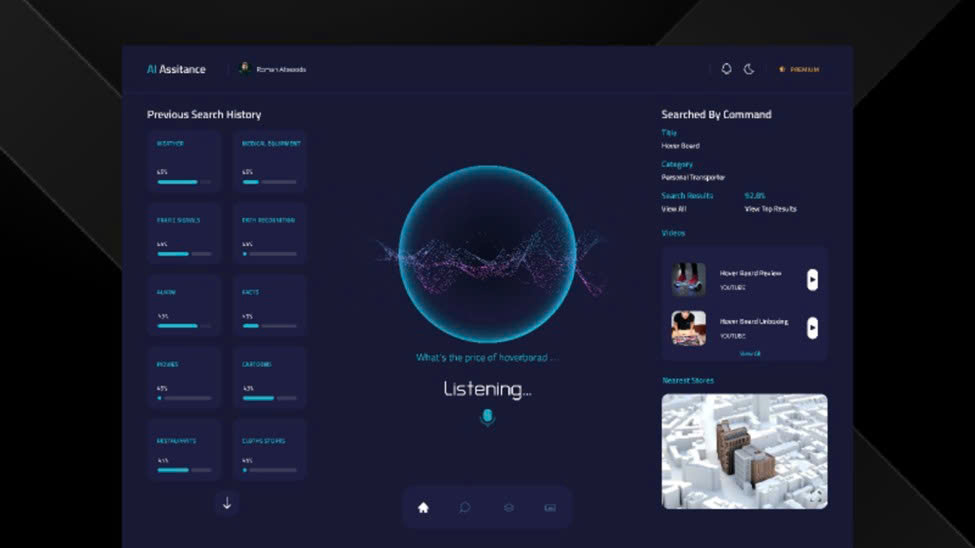

AI is profoundly transforming teaching and learning methodologies:
- Intelligent teaching assistants
- Adaptive learning systems
- Learning progress analytics dashboards
- Automated grading and assessment
AI enables personalized learning pathways, reduces faculty workload, and enhances training effectiveness—particularly in higher education and vocational training.
5. Proposed Action Roadmap
Phase 1 (6–12 months):
- Deploy chatbots and OCR systems
- Provide AI awareness training for managers and administrators
Phase 2 (1–3 years):
- Implement Robotic Process Automation (RPA)
- Develop intelligent transportation systems
- Introduce AI tutors in education
- Promote public–private partnerships (PPP) to develop data infrastructure
Phase 3 (3–5 years):
- Build Smart City ecosystems
- Establish a National AI Hub
- Export “AI Made in Vietnam” solutions to regional markets
- Strengthen advanced AI workforce training
6. Conclusion
AI in Vietnam is transitioning from experimental adoption to large-scale practical implementation. With a Top 5 ASEAN ranking and a clear strategic vision toward 2030, Vietnam has strong potential to become an emerging AI hub in the region—provided that three critical factors are effectively addressed:
- Data and computing infrastructure
- High-quality human resources
- A sustainable innovation ecosystem
Close coordination among the Government, enterprises, and educational institutions will determine the pace and depth of this transformation.
References
1. Oxford Insights (2023). Government AI Readiness Index 2023.
2. McKinsey & Company (2024). The State of AI 2024 Report.
3. Vietnam Ministry of Science and Technology. Technology and Human Resource Development Orientation 2025–2030.
4. Salesforce (2024). AI & ROI Business Report.