The year 2026 is expected to mark a significant transitional phase for the field of Food Technology, as many digital and biotechnological innovations move beyond pilot stages into commercialization and deep integration within the food value chain. The convergence of digital technologies, biotechnology, advanced materials, and data science is reshaping how food is produced, distributed, and consumed on a global scale. Below are the key trends projected to shape the industry in 2026.
1. Artificial Intelligence Applications and Comprehensive Digitalization of the Food Supply Chain
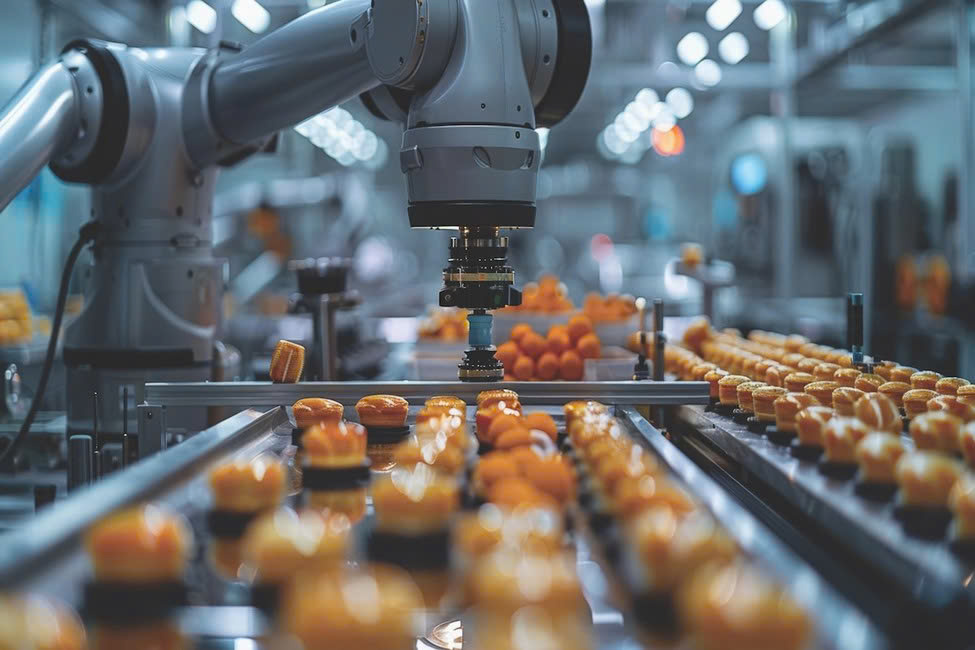
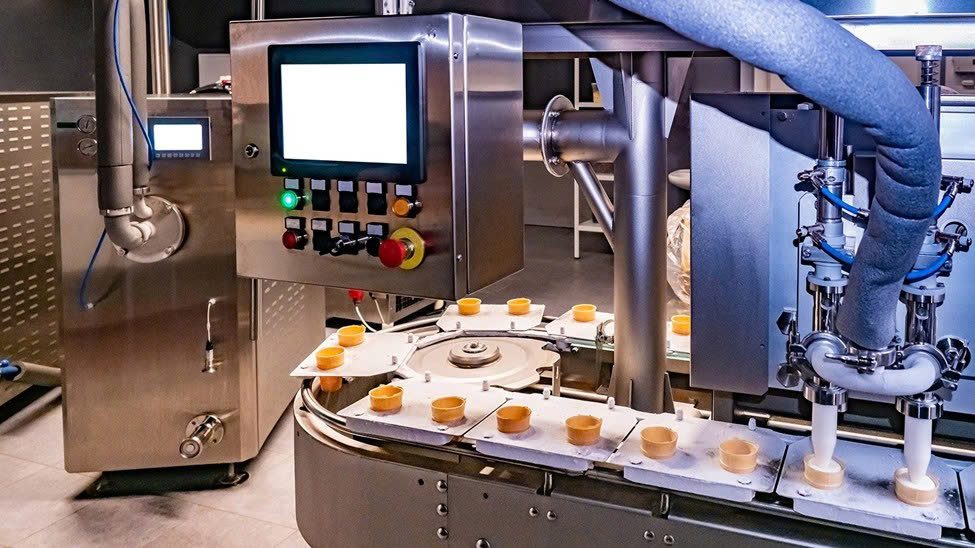
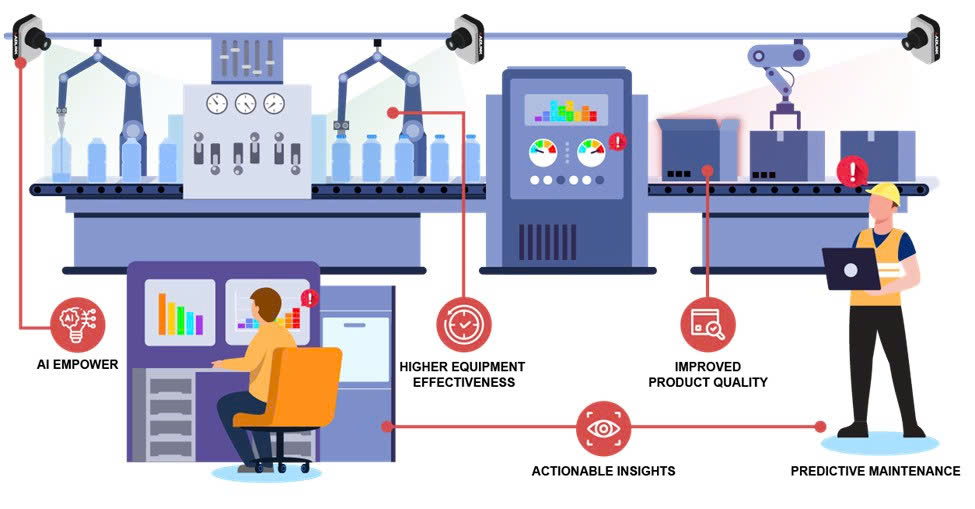
The integration of Artificial Intelligence (AI), Big Data, the Internet of Things (IoT), and digital twin models is profoundly transforming the food processing industry toward a smarter, data-driven paradigm.
In research and product development (R&D), AI is used to:
- Analyze real-time consumer trends
- Optimize formulations based on sensory and nutritional datasets
- Simulate chemical and biochemical reactions during processing
In industrial production, AI-integrated sensor systems enable continuous monitoring of critical parameters such as temperature, pH, water activity, moisture content, microbial load, and product structure. This allows manufacturers to:
- Detect process deviations at an early stage
- Enhance QA/QC efficiency
- Reduce raw material losses
- Optimize operational costs
At the supply chain level, AI supports demand forecasting, inventory optimization, and improved traceability. By 2026, end-to-end digitalization is expected to become the standard in large-scale food manufacturing facilities.
2. Alternative Proteins and Plant-Based Meat
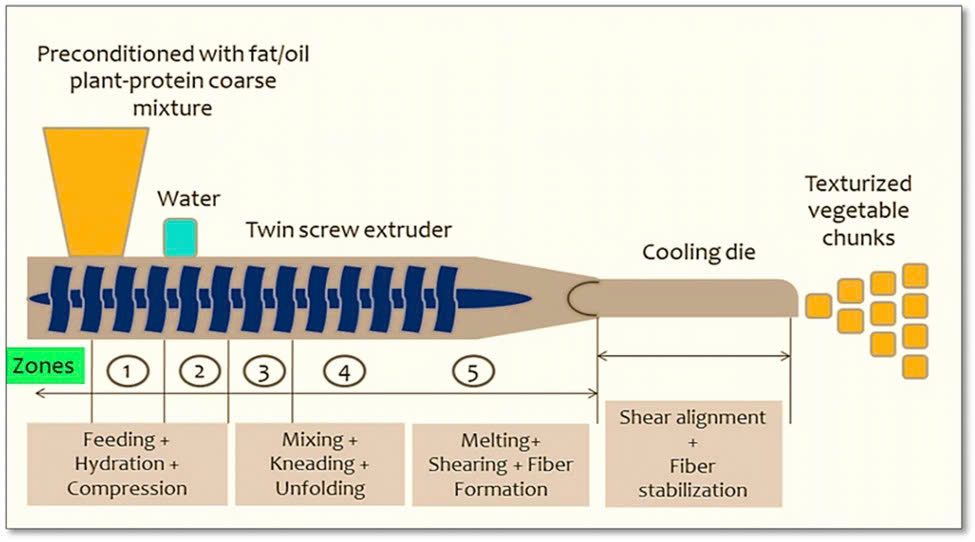
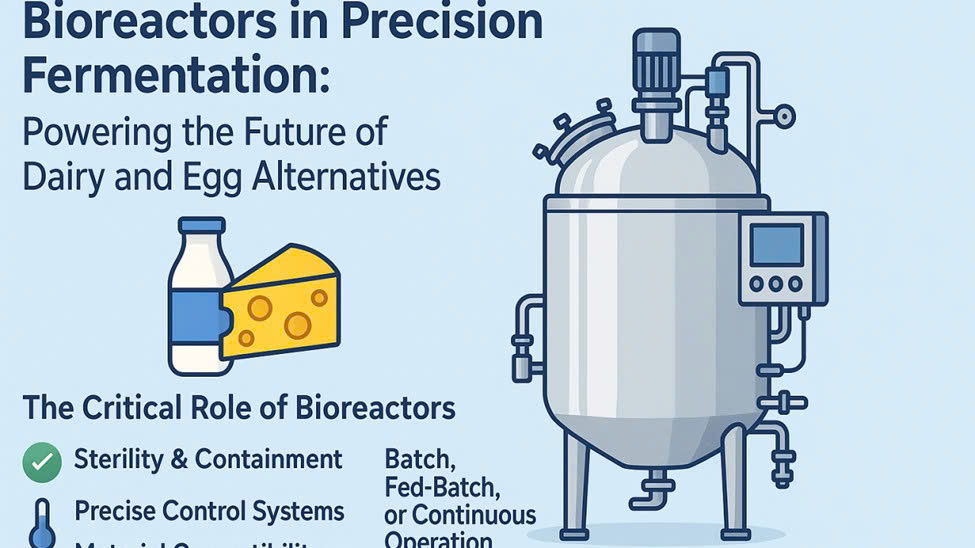
Alternative proteins continue to represent a high-growth sector amid increasing pressure from climate change, greenhouse gas emissions, and global food security concerns. Leading companies such as Beyond Meat, Impossible Foods, and Perfect Day have commercialized meat and dairy analogues using advanced technologies.
Unlike traditional vegetarian foods, modern plant-based meat products are developed through:
- Extrusion technology to create fibrous structures that mimic muscle tissue
- Precision fermentation to produce functional proteins
- The application of enzymes and bio-based flavor systems to recreate sensory characteristics
Although not yet a complete substitute for animal-derived meat, alternative proteins are viewed as a strategic complementary solution, contributing to:
- Diversification of protein sources
- Reduced environmental pressure
- Enhanced sustainability of the food system
By 2026, significant improvements are expected in texture, cost competitiveness, and consumer acceptance of these products.
3. Functional Foods, Personalized Nutrition, and Microbiome Health

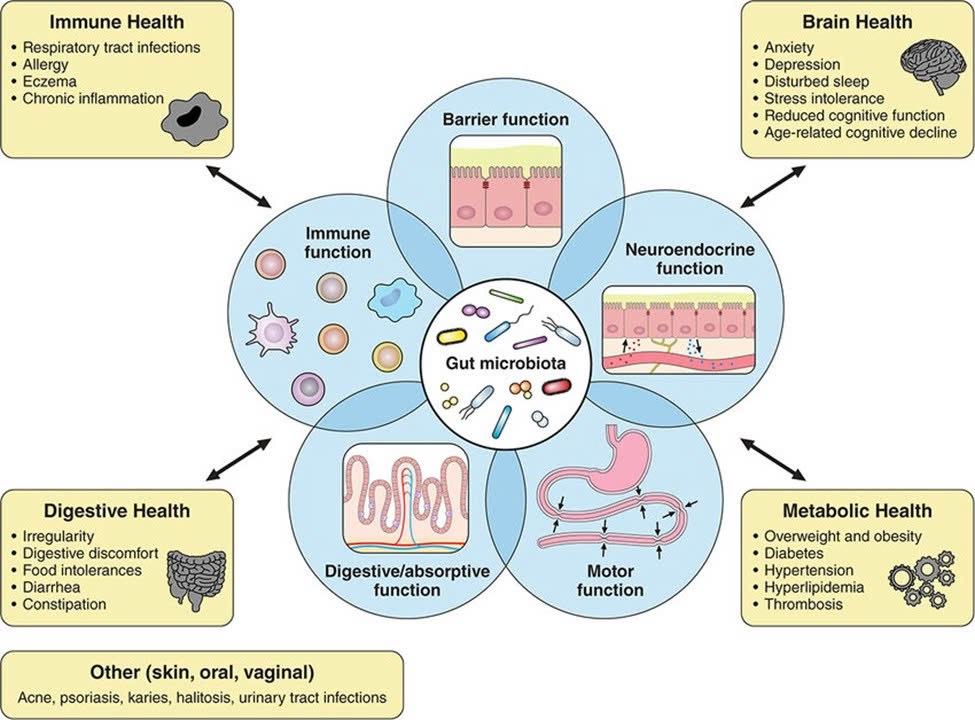

The “healthy eating” movement is increasingly shifting toward a precision nutrition model. Food products are no longer designed solely to meet energy requirements but also to optimize metabolic health and support gut microbiome balance.
Key research and development priorities for 2026 include:
- Increasing soluble fiber and prebiotic content
- Applying next-generation probiotics
- Reducing free sugars and optimizing glycemic index (GI)
- Developing specialized products for target populations (children, older adults, individuals with overweight or metabolic disorders)
The integration of personalized biological data analytics with AI enables the development of customized nutritional solutions based on individual microbiome profiles, metabolic characteristics, and lifestyle factors. Food thus becomes a proactive tool in chronic disease prevention strategies and quality-of-life enhancement.
4. Conclusion
The year 2026 is expected to represent an acceleration phase in the integration of advanced technologies into the field of Food Technology. Prominent trends include:
- Intelligent digitalization and automation
- Sustainable alternative protein development
- Functional foods and personalized nutrition
Food is no longer merely a basic consumer product; it is evolving into a technology–health–environment ecosystem. In this context, the Food Technology sector requires an interdisciplinary workforce combining expertise in food science, biotechnology, data science, and supply chain management.
Compiled text, content, and images by:
M.Sc. Lâm Đức Cường – Food Technology Program, Faculty of Applied Technology, Văn Hiến University
References
1. Springer Nature. (2025). Artificial intelligence applications for strengthening global food safety systems. Discover Food, 5(391).
2. Springer Nature. (2025). Leveraging artificial intelligence and advanced food processing techniques for enhanced food safety, quality, and security: a comprehensive review. Discover Applied Sciences, 7(75).
3. Sidhu, S. R. K. (2023). Effect of plant-based diets on gut microbiota: A systematic review. PMC.
4. Shen, X. (2024). Plant-based diets and the gut microbiome. ScienceDirect.
5. Miao, Z. (2022). Gut microbiota signatures of long-term and short-term plant-based dietary pattern and cardiometabolic health. BMC Medicine.
6. Ma, Z. F. (2025). The role of the gut microbiota in health, diet, and disease. Foods, 14(3), 492.