1. Overview
Holidays and the Lunar New Year are the times of year when food consumption reaches its peak. Families often prepare a wide variety of dishes, store food for several days, and participate in parties and gatherings. This significantly increases the risk of food safety issues.
Food safety is not only about selecting ingredients; preparation, storage, and consumption also play crucial roles. Without proper control, food can become a source of illness, directly affecting consumers’ health.
According to the World Health Organization, hundreds of millions of foodborne illness cases are reported worldwide each year. Notably, festive seasons pose a higher risk of outbreaks due to the sharp increase in food preparation and consumption.
2. Food Safety Risks During Holidays
During holidays, food safety risks arise from multiple factors:
- Unclear food origins: Increased demand leads to the circulation of unregulated, low-quality products that may contain harmful chemicals or microorganisms.
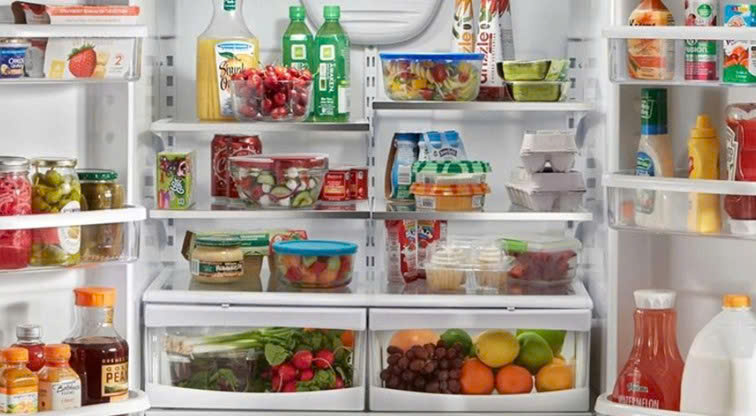
- Improper storage: Cooked food is often left at room temperature for extended periods, allowing bacteria to grow rapidly.
- Poor hygiene in preparation: Contaminated utensils, unclean hands, or unsanitary kitchen environments can cause cross-contamination.
- Unhealthy consumption habits: Excessive intake of protein-rich, fatty foods, sweets, and alcohol puts pressure on the digestive system.
Microorganisms such as Salmonella, E. coli, and Staphylococcus aureus commonly thrive at temperatures between 20–40°C—conditions frequently found in daily living environments.
3. Current Situation in Vietnam
In Vietnam, food safety during the Lunar New Year still faces several challenges:
- Increase in violations: The use of substandard ingredients, expired products, or items with unclear origins remains common.
- Difficulty controlling handmade foods: Products such as Vietnamese sausages (giò, chả), traditional cakes, and candied fruits are often produced on a small scale without standardized processes.
- Limited storage conditions: Many households and traditional markets lack adequate refrigeration systems.
Authorities such as the Ministry of Health Vietnam and the Vietnam Food Administration have strengthened inspection, supervision, and public communication to mitigate risks during peak periods.
4. Consequences of Unsafe Food Consumption
The impacts can vary in severity:
- Acute food poisoning: Rapid onset of symptoms such as abdominal pain, diarrhea, vomiting, and fever.
- Long-term effects: Potential damage to the liver, kidneys, digestive system, and immune function.
- Social impact: Increased healthcare costs, reduced quality of life, and added pressure on the healthcare system.
5. Solutions to Ensure Food Safety
a. For consumers:
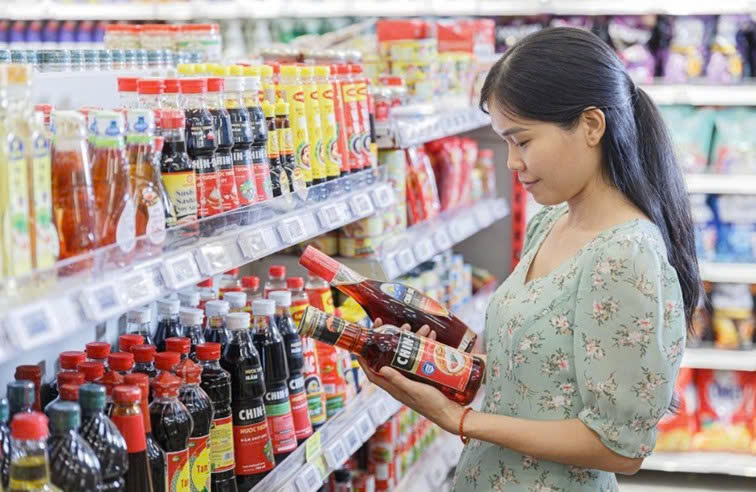
- Choose food with clear origins and proper certification.
- Follow the principle: “cook thoroughly, boil before drinking.”
- Store food at appropriate temperatures; avoid leaving it out too long.
- Consume food within safe time limits; do not use spoiled products.
b. For producers and businesses:
- Strictly comply with food hygiene and safety standards.
- Ensure transparency of product information (origin, expiry date, ingredients).
- Maintain proper transportation and storage conditions.
c. For regulatory authorities:
- Strengthen inspections and enforce penalties for violations.
- Promote public awareness and education.
- Apply traceability technologies to improve supply chain transparency.
6. Emerging Trends in Food Safety
In the context of digital transformation and modern consumption, food safety is evolving with new trends:
- Adoption of digital technologies (AI, IoT, Big Data) for supply chain monitoring.
- Growth of clean and organic food to meet safe consumption demands.
- Personalized nutrition to better manage diet and health.
7. Conclusion
Food safety during holidays and the Lunar New Year requires coordinated efforts from the entire society. Consumers, businesses, and regulatory authorities all play essential roles in ensuring food quality.
Proactively choosing safe food, practicing hygienic preparation, and proper storage not only protect individual health but also contribute to building a safer and healthier consumption environment during festive seasons.
References
1. World Health Organization (2020). Food Safety Key Facts.
2. Ministry of Health Vietnam (2023). Food Safety Report.
3. Vietnam Food Administration. Guidelines for Food Safety During Tet.
4. Food and Agriculture Organization (2021). Food Safety and Nutrition Guidelines.
5. Centers for Disease Control and Prevention (2022). Foodborne Illnesses Overview.