1. Overview of Organic Electronics
Organic electronics is a field that studies and applies organic materials—mainly polymers or small carbon-containing molecules—in the fabrication of electronic components. Unlike traditional inorganic materials such as silicon, organic materials are lightweight, flexible, easy to process, and relatively low-cost.
The development of organic electronics has opened up opportunities to create new-generation electronic devices such as flexible displays, smart wearable devices, biosensors, and flexible solar cells.

Research in this field is closely related to several disciplines, including materials science, nanotechnology, and organic chemistry.
2. New Materials in Organic Electronics
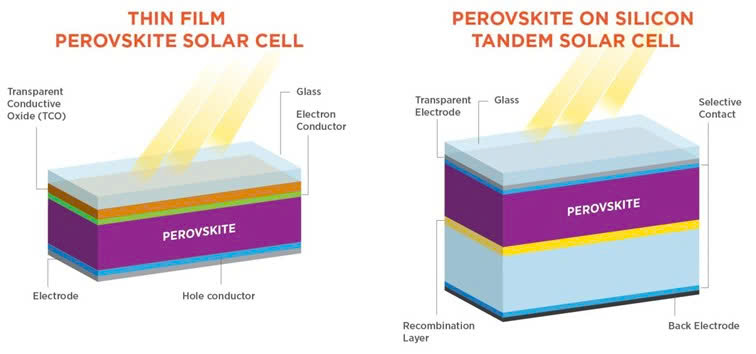
The advancement of organic electronics is closely associated with the development of new materials, including:
- Conductive polymers: Materials that can conduct electricity similarly to metals but are more flexible, commonly used in OLED displays and sensors.
- Graphene: A two-dimensional form of carbon with extremely high electrical conductivity and mechanical strength, regarded as a revolutionary material in electronics.
- Perovskite: A promising material for solar cells due to its high efficiency and low production cost.
- Nanomaterials: Materials that help improve the electrical, optical, and mechanical properties of electronic devices.
These materials not only enhance device performance but also reduce production costs and expand potential applications.
3. Applications of Organic Electronics

Organic electronics is being widely applied in various fields, including:
- OLED displays: Used in televisions and smartphones, offering high-quality display performance and energy efficiency.
- Smart wearable devices: Such as watches and health sensors that are flexible, bendable, and compatible with the human body.
- Organic solar cells: Lightweight and flexible, with the ability to be integrated onto different surfaces.
- Biosensors: Used in medicine and real-time health monitoring.
Companies such as Samsung and LG have actively commercialized OLED technology in consumer products.
4. Advantages and Challenges
Advantages
- Lightweight, flexible, and bendable
- Lower production cost compared with silicon-based technologies
- Simple fabrication processes, such as printing and thin-film coating
Challenges
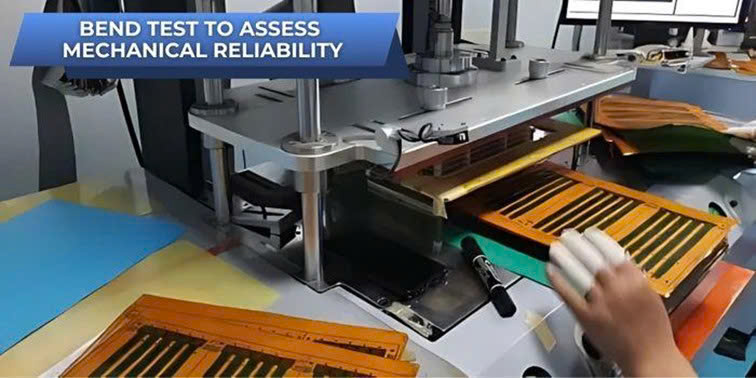
- Limited durability and lifespan
- Susceptibility to environmental factors such as humidity and temperature
- Less stable performance compared with traditional materials
5. Future Development Trends


In the future, organic electronics and new materials are expected to develop in the following directions:
- Fully flexible electronic devices, including foldable and stretchable electronics
- Integration of AI and IoT into smart materials
- Self-healing materials
- Environmentally friendly green electronics
These trends are expected to create a major transformation in the way humans interact with technology.
6. Conclusion
Organic electronics and new materials are becoming an important foundation for future technologies. With outstanding advantages in flexibility, cost efficiency, and wide applicability, this field not only promotes innovation in the electronics industry but also contributes to addressing challenges related to energy, the environment, and healthcare.
Although many challenges remain, the current pace of research and development suggests that organic electronics is expected to play a key role in the Fourth Industrial Revolution.
References
1. Nature Publishing Group. (2020). Organic Electronics Research Articles.
2. IEEE. (2021). Advances in Organic Electronics.
3. Forrest, S. R. (2004). The path to ubiquitous and low-cost organic electronic appliances. Nature.
4. MIT. Materials Science Publications.
5. ScienceDirect. Organic Electronics Journal.