1. Overview: What is Smart Packaging?
In the context of modern consumption, packaging is no longer merely a protective layer for products; it has become an essential component in ensuring product quality and safety. Smart packaging refers to a new generation of packaging integrated with advanced technologies to monitor, control, and provide real-time information regarding product conditions.
Unlike conventional packaging, smart packaging is capable of:
- Detecting changes in the internal environment (temperature, humidity, gases);
- Warning consumers when food products are spoiled;
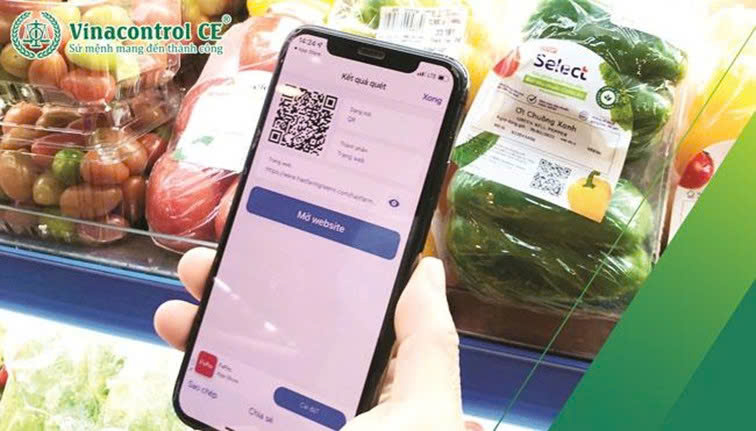
- Interacting with users through QR codes and NFC technology.
👉 In simple terms:
- Traditional packaging: “protects the product”
- Smart packaging: “protects + monitors + informs”
This represents a significant advancement in industries such as food, pharmaceuticals, and logistics.
2. Classification of Smart Packaging
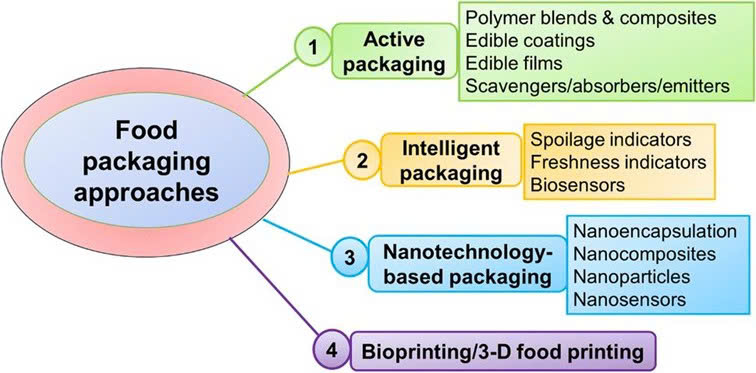
Smart packaging is generally categorized into three main types, each serving distinct functions.
a. Active Packaging
Active packaging directly interacts with the internal environment to extend product shelf life.
Examples include:
- Oxygen absorbers to reduce food oxidation;
- Moisture absorbers to prevent mold growth;
- Antimicrobial packaging to inhibit microbial activity.
👉 As a result, food products can remain fresh for longer periods without relying heavily on preservatives.
b. Intelligent Packaging
Intelligent packaging does not directly affect the product but instead monitors and displays relevant information.
Examples include:
- Labels that change color in response to temperature variations;
- Indicators that detect gases emitted by spoiled food;
- Time–temperature indicators (TTIs).
👉 Consumers can visually assess whether a product remains safe for consumption.
c. Connected Packaging
Connected packaging represents the latest trend, integrating digital technologies such as:
- QR codes for product traceability;
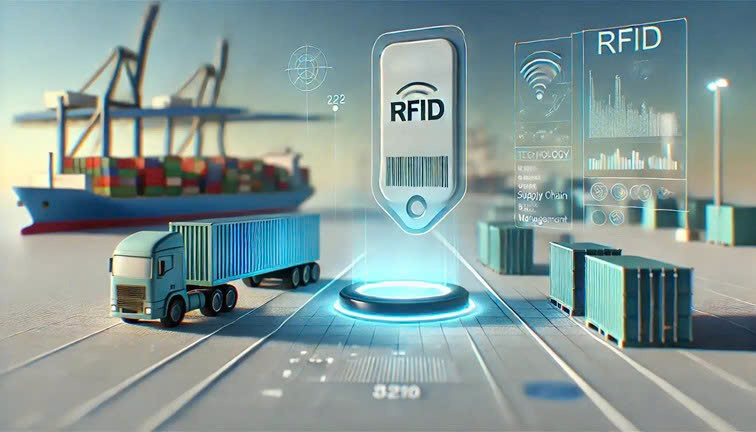
- RFID/NFC systems for transportation monitoring;
- Smartphone connectivity for product information access.
👉 Packaging thereby becomes a communication bridge between businesses, products, and consumers.
3. Roles and Benefits of Smart Packaging
Smart packaging offers significant value across multiple dimensions.
a. Ensuring Food Safety
- Early detection of spoilage signs;
- Reduced risk of foodborne illnesses;
- Enhanced consumer confidence.
b. Reducing Food Waste
A substantial amount of food is discarded due to uncertainty regarding its actual condition. Smart packaging helps:
- Determine the precise usability period of products;
- Minimize unnecessary disposal of edible food.
c. Optimizing Supply Chains
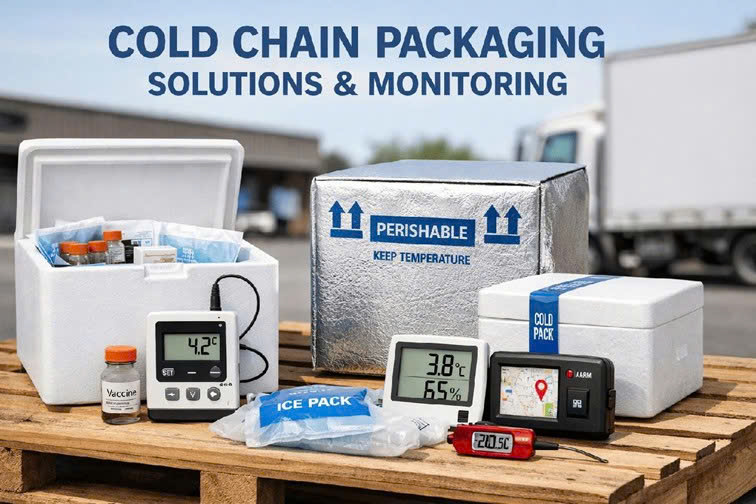
- Monitoring temperature conditions during transportation, especially in cold chains;
- Detecting incidents during storage and distribution.
d. Enhancing Brand Value
- Creating modern and interactive customer experiences;
- Increasing transparency in product information.
👉 Smart packaging not only protects products but also provides businesses with a competitive advantage.
4. Practical Applications
In the Food Industry
- Meat packaging that changes color when spoilage occurs;
- Vegetable packaging designed to regulate humidity levels.
In the Pharmaceutical Industry
- Temperature-monitoring systems for vaccines;
- Alerts for improper drug storage conditions.
In Logistics
- Real-time cargo tracking;
- Reduction of product losses and operational errors.
In Commercial Activities
- Product traceability systems;
- Anti-counterfeiting solutions.
👉 Smart packaging is gradually becoming a new standard in quality management.
5. Underlying Technologies
Smart packaging is developed based on several advanced technologies, including:
- Biosensors for bacterial detection;
- Nanotechnology for antimicrobial properties and enhanced durability;
- RFID/NFC systems for data tracking and storage;
- Internet of Things (IoT) technologies for integrated connectivity.
👉 Smart packaging represents the convergence of material science, electronics, and digital technology.
6. Challenges and Limitations
Despite its considerable potential, smart packaging still faces several challenges:
- High production costs, limiting large-scale adoption;
- Recycling difficulties that may impact environmental sustainability;
- Lack of standardized regulations and systems;
- Limited consumer familiarity with the technology.
👉 Addressing these challenges is essential for the sustainable development of smart packaging technologies.
7. Future Development Trends
In the future, smart packaging is expected to evolve toward:
- Environmentally friendly and biodegradable materials;
- Integration with artificial intelligence (AI) and big data analytics;
- Improved user interaction capabilities;
- Full connectivity across supply chains.
👉 Packaging will increasingly become an integral part of the intelligent digital ecosystem.
8. Conclusion
Smart packaging is an inevitable trend in the era of technological advancement and modern consumerism. Beyond serving as a protective layer, packaging has transformed into an “intelligent tool” that:
- Ensures food safety;
- Enhances product quality;
- Increases transparency;
- Improves user experience.
👉 In the future, packaging will play a central role in connecting products, businesses, and consumers.
References (APA 7th Edition)
- Ahmed, I., Lin, H., Zou, L., Brody, A. L., & Qazi, I. M. (2018). A comprehensive review on the application of active packaging technologies to muscle foods. Food Control, 82, 163–178. https://doi.org/10.1016/j.foodcont.2017.06.009
- Kuswandi, B., Wicaksono, Y., Abdullah, A., Heng, L. Y., & Ahmad, M. (2011). Smart packaging: Sensors for monitoring of food quality and safety. Sensing and Instrumentation for Food Quality and Safety, 5, 137–146.
- Yam, K. L., Takhistov, P. T., & Miltz, J. (2005). Intelligent packaging: Concepts and applications. Journal of Food Science, 70(1), R1–R10.
- World Health Organization. (2020). Food safety and packaging guidelines. https://www.who.int
- Food and Agriculture Organization. (2019). Food packaging and shelf-life extension. http://www.fao.org