When Every Order Leaves an Environmental Footprint
Have you ever noticed that after every online purchase, what remains is not only the product you ordered but also a considerable amount of packaging waste—cardboard boxes, plastic bags, bubble wrap, adhesive tape, and other protective materials?
Every day, millions of parcels are delivered to consumers worldwide. Consequently, millions of packaging materials are used and quickly discarded as waste. This growing volume of packaging waste has become one of the major environmental challenges facing the modern e-commerce industry.
In this context, green logistics is increasingly emerging as an inevitable direction for sustainable development. Beyond ensuring fast and efficient delivery, businesses are now expected to minimize their environmental impact. One of the most promising solutions receiving significant attention is the implementation of packaging recovery systems.
What Is Green Logistics?
In simple terms, traditional logistics primarily focuses on transporting goods from businesses to customers. Green logistics, however, expands this scope by considering the entire life cycle of products and packaging materials.
This means that after a product has been successfully delivered, packaging materials are collected, sorted, reused, or recycled instead of being discarded.
In summary:
- Traditional Logistics = Delivery
- Green Logistics = Delivery + Collection + Reuse + Recycling
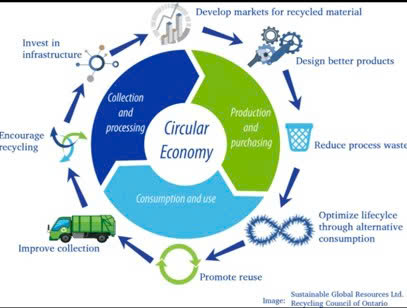
This approach helps conserve resources, reduce waste generation, and promote a circular economy, in which materials are continuously reintegrated into production cycles rather than becoming waste.
Why Does E-Commerce Need Packaging Recovery Systems?
Vietnam's e-commerce sector has experienced remarkable growth in recent years. Shopping online has become an everyday habit for millions of consumers, offering unprecedented convenience through just a few clicks on a smartphone.
However, this convenience comes with a hidden environmental cost. Every online order may involve multiple layers of packaging, including:
- Cardboard boxes
- Plastic bags
- Bubble wrap
- Adhesive tape
- Protective paper fillers
The problem is that much of this packaging is not properly collected or recycled after use.
As a result, urban waste volumes continue to rise, valuable paper and plastic resources are wasted, and increasing pressure is placed on waste management systems. These issues contribute to environmental pollution, including soil and water contamination, as well as increased greenhouse gas emissions.
Therefore, developing packaging recovery models is no longer merely an optional sustainability initiative; it is becoming an essential requirement for the long-term development of the e-commerce industry.
Green Drop Box: A Promising Solution
Among various green logistics initiatives, the Green Drop Box model stands out as a practical and highly applicable solution.
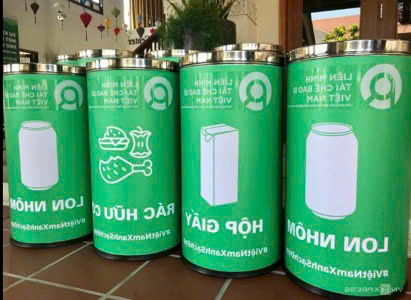
Simply put, Green Drop Box consists of designated collection points for used packaging materials located in residential areas, apartment complexes, schools, shopping centers, and other public spaces. Individuals can deposit cardboard boxes, paper packaging, and other recyclable materials into these collection bins.
The collected materials are then transported to recycling or reuse facilities for further processing.
Although the concept appears straightforward, its potential environmental and economic impacts are significant.
Benefits of Packaging Recovery Models
Reducing Environmental Pressure
The most visible benefit is the reduction of waste generated by e-commerce activities.
Instead of being discarded after a single use, packaging materials can be transformed into new products through recycling processes. This reduces the demand for virgin raw materials, conserves energy, and lowers greenhouse gas emissions.
Creating Value for Businesses
Many people assume that environmental initiatives merely increase operational costs. In reality, the situation is more nuanced.
When recycled materials are effectively utilized, businesses can reduce expenditures on raw materials. Furthermore, participation in green logistics programs enhances corporate reputation and strengthens brand image among customers and stakeholders.
As Environmental, Social, and Governance (ESG) criteria become increasingly important in business evaluations and investment decisions, sustainable logistics practices can also provide a significant competitive advantage.
Encouraging Responsible Consumer Behavior
One often-overlooked benefit is the positive influence on public awareness and consumer behavior.
When consumers actively participate in packaging recovery and recycling programs, they gradually develop more responsible consumption habits. Simple actions such as preserving cardboard boxes or sorting waste at the source can contribute to the cultivation of a more sustainable lifestyle.
Challenges Ahead
Despite its potential, implementing packaging recovery systems is far from straightforward.
The first challenge involves initial investment costs. Collection points must be designed, installed, operated, and maintained. Additional expenses arise from transportation, sorting, and processing recovered materials.
The second challenge lies in consumer behavior. Not all individuals are willing to spend extra time sorting waste or bringing packaging materials to collection points. Behavioral change requires continuous education, communication efforts, and appropriate incentive programs.
Moreover, the effectiveness of the model depends on close collaboration among multiple stakeholders, including logistics providers, e-commerce platforms, recycling companies, local authorities, residential management organizations, and consumers.
The absence of any one of these stakeholders can significantly reduce the overall efficiency of the system.
The Future of Green Logistics in E-Commerce
Current trends suggest that green logistics is evolving from a strategic aspiration into a new industry standard.
In the coming years, we are likely to witness the expansion of innovative practices such as:
- Reusable packaging systems
- Refund or reward programs for returning packaging materials
- Carbon-neutral logistics operations
- Green supply chains
- Circular economy models in e-commerce
Driven by consumer expectations, environmental regulations, and ESG requirements from investors, businesses will increasingly prioritize solutions that reduce emissions and improve waste management efficiency.
Conclusion
The rapid growth of e-commerce has brought tremendous convenience to modern life. Nevertheless, it has also created significant challenges related to packaging waste and environmental sustainability.
Initiatives such as Green Drop Box demonstrate that business growth and environmental protection can go hand in hand. By recovering, reusing, and recycling packaging materials effectively, society can reduce waste generation while fostering a greener, more efficient, and more sustainable supply chain.
Ultimately, building a sustainable e-commerce ecosystem requires collective participation from businesses, governments, and consumers alike. If a packaging recovery station were available near your community today, would you be willing to take part in creating a greener future for e-commerce?